




TNEA CODE 1509


The Department of Computer Science and Engineering (Artificial Intelligence and Machine Learning) was established in 2023 with an intake of 60 students. The department is dedicated to developing future-ready professionals in the fast-evolving fields of AI and ML. Its primary goal is to offer high-quality education in Artificial Intelligence, preparing students to become leaders in their respective industries.
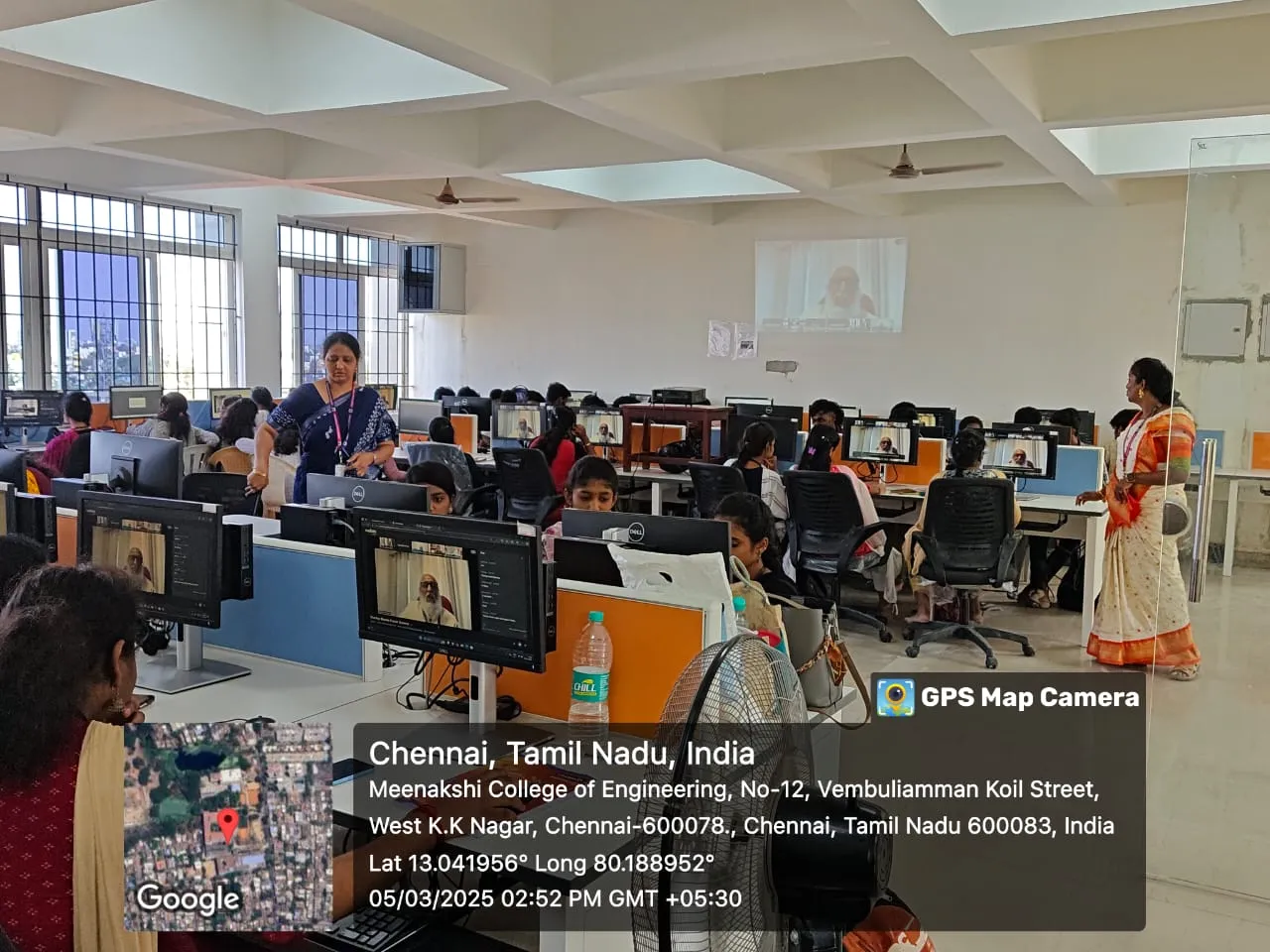
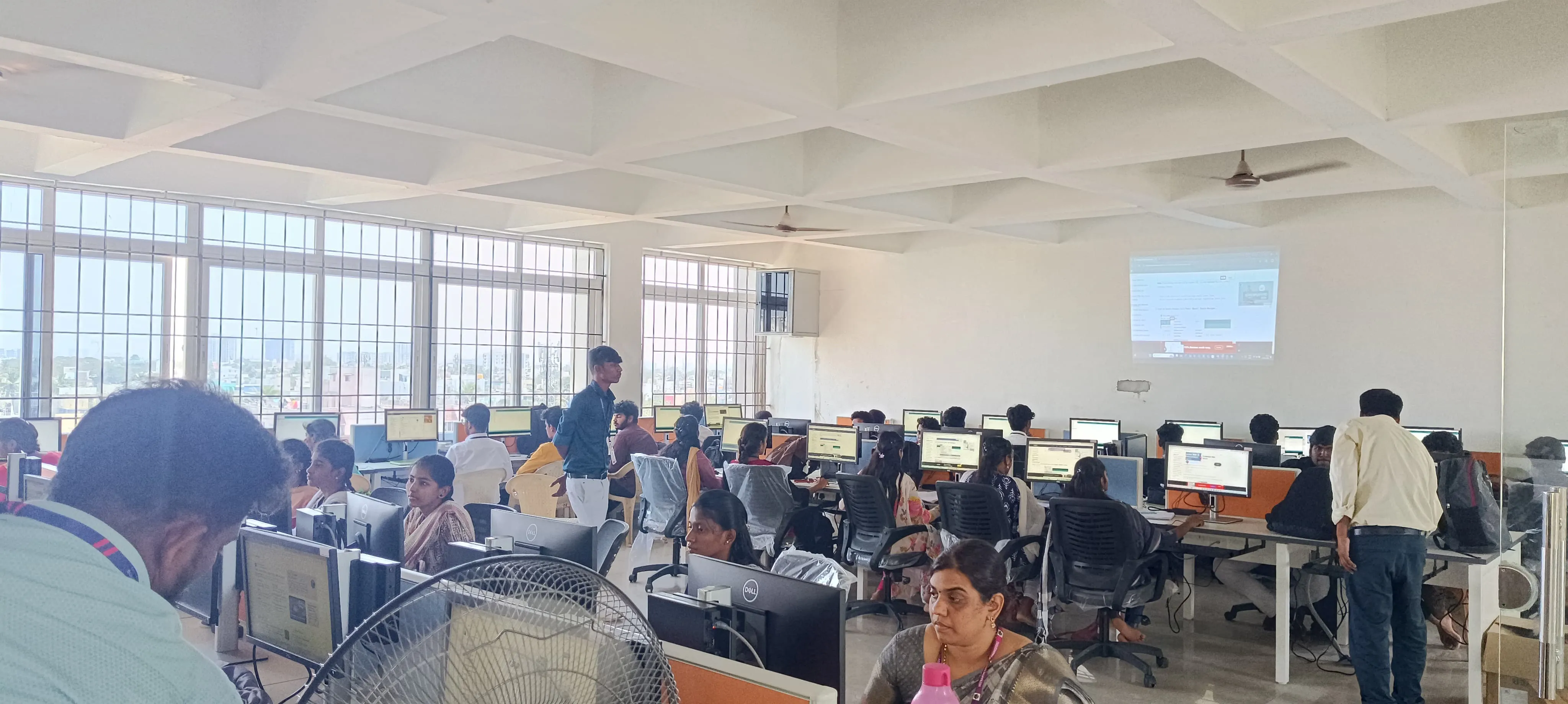
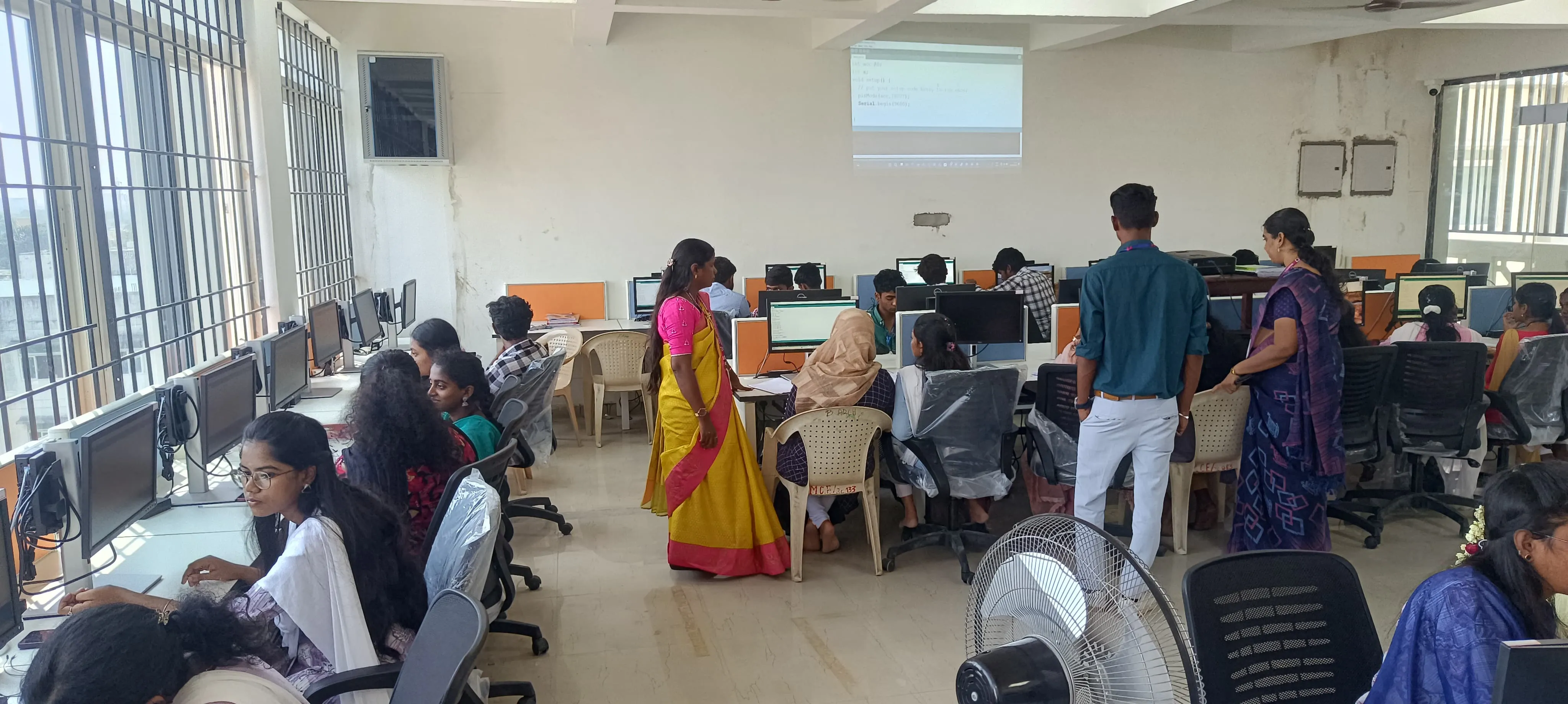
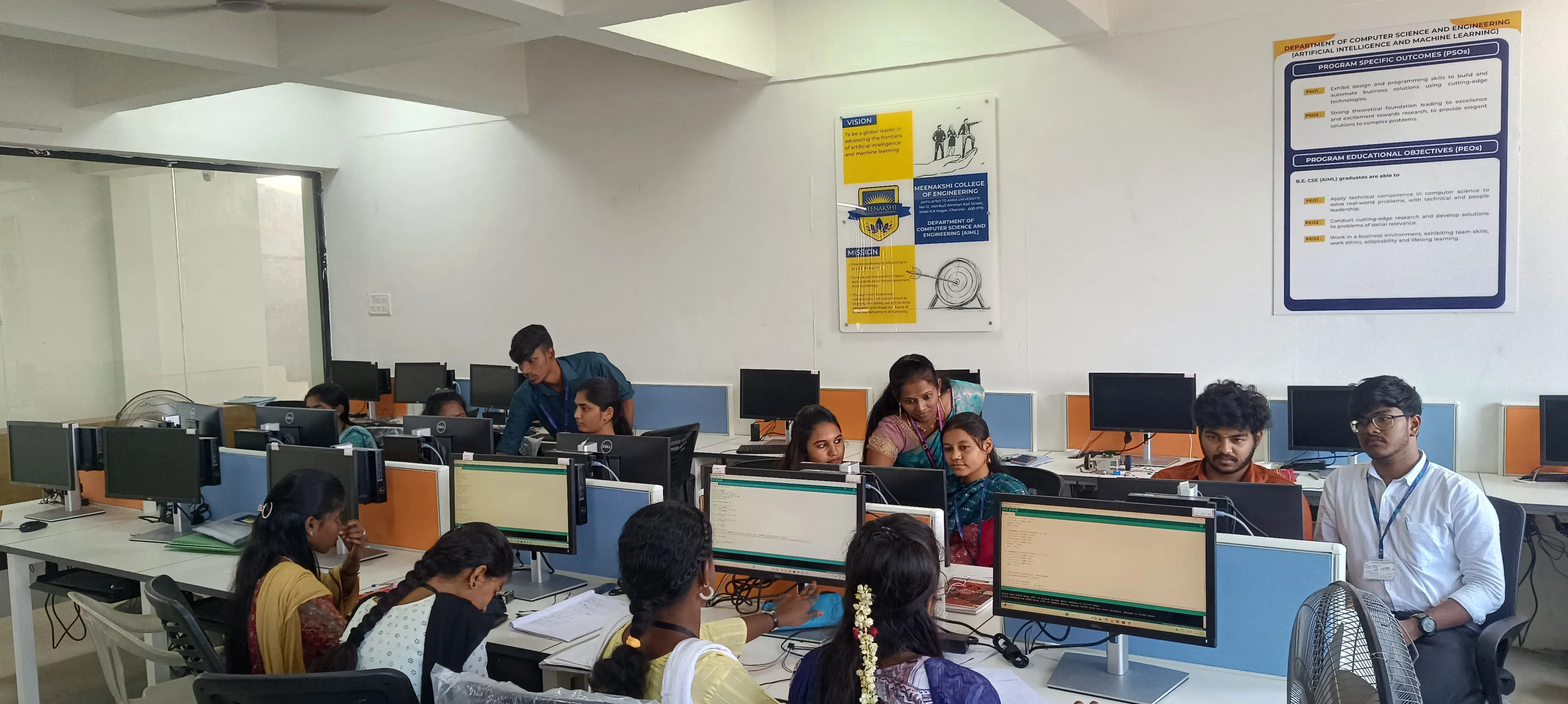
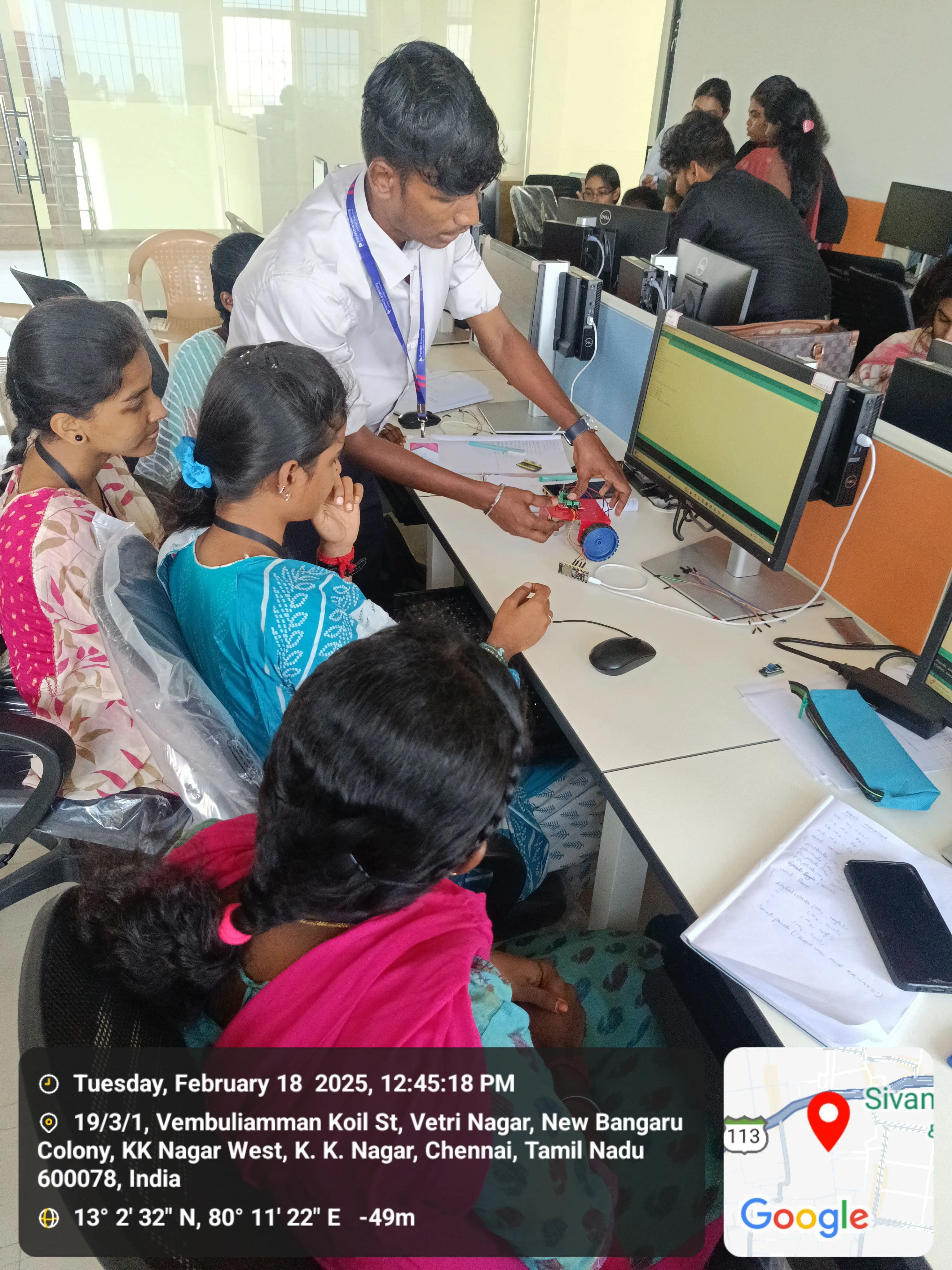
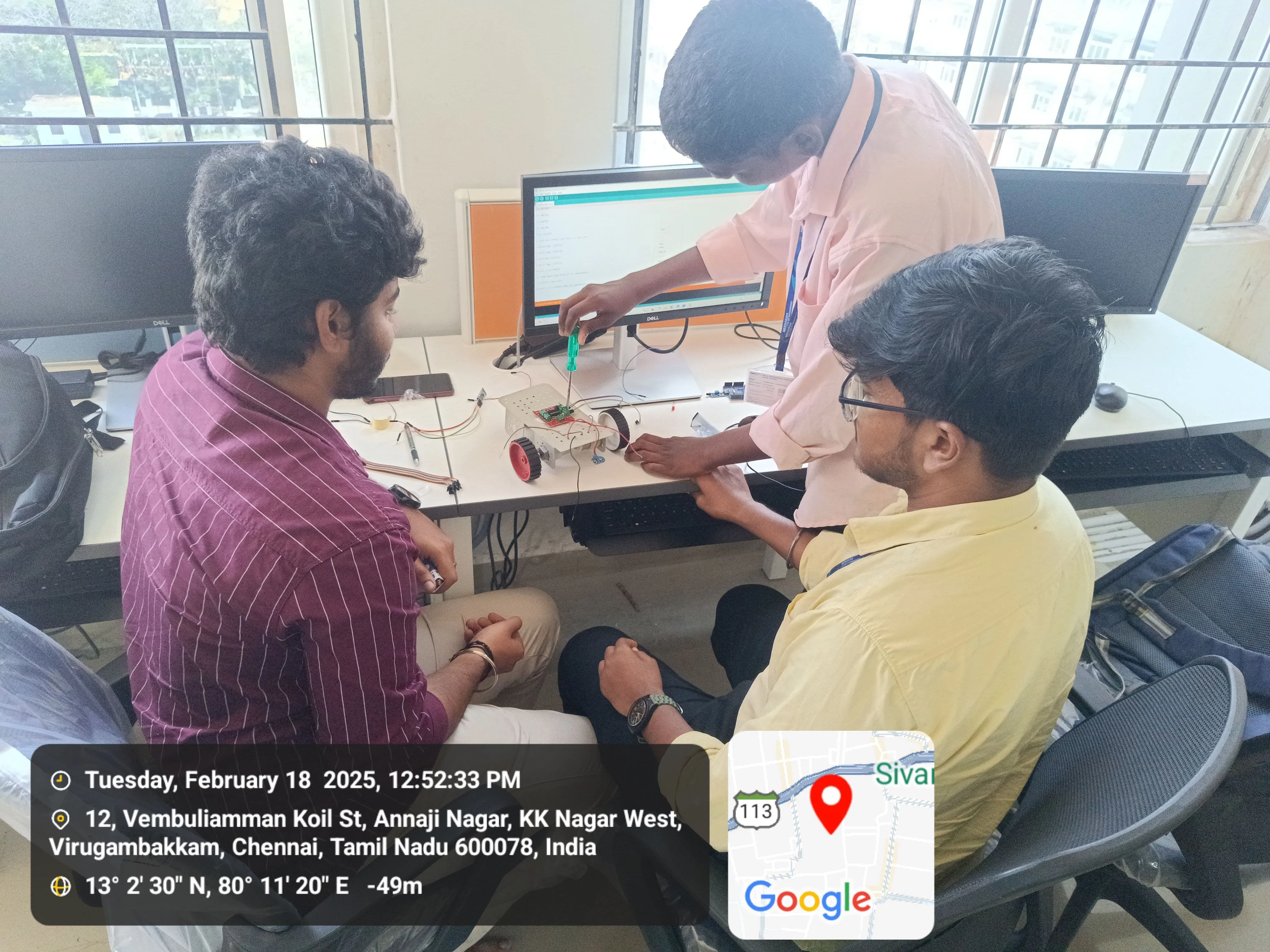
With cutting-edge laboratory facilities, the department ensures students have access to high-speed internet and Wi-Fi connectivity to support research and practical learning. The AI & ML program focuses on addressing complex challenges using intelligent computer programs that mimic human-like thinking.
Committed to excellence in education, research, and innovation, the department aspires to be a leading center for producing highly skilled IT professionals. The faculty members, who are experts in their fields, are passionate about advancing knowledge and providing mentorship, fostering an environment where students can thrive both academically and professionally.
AI & ML have a wide range of applications, including robotics, gaming platforms, biomedical engineering, speech and image recognition, and much more. This department provides an excellent platform for students looking to make a significant impact in the world of technology.
Graduate can
PEO1: Apply technical competence in computer science to solve real-world problems, with technical and people leadership.
PEO2: Conduct cutting-edge research and develop solutions to problems of social relevance.
PEO3: Work in a business environment, exhibiting team skills, work ethics, adaptability and lifelong learning.
Graduate Attribute
PO1: Engineering knowledge: Apply the knowledge of mathematics, science, engineering fundamentals, and an engineering specialization to the solution of complex engineering problems.
PO2: Problem analysis: ApIdentify, formulate, review research literature, and analyze complex engineering problems reaching substantiated conclusions using first principles of mathematics, natural sciences, and engineering sciences.
PO3: Design/development of solutions: Design solutions for complex engineering problems and design system components or processes that meet the specified needs with appropriate consideration for the public health and safety, and the cultural, societal, and environmental considerations.
PO4: Conduct investigations of complex problems: Use research-based knowledge and research methods including design of experiments, analysis and interpretation of data, and synthesis of the information to provide valid conclusions.
PO5: Modern tool usage: Create, select, and apply appropriate techniques, resources, and modern engineering and IT tools including prediction and modeling to complex engineering activities with an understanding of the limitations.
PO6: The engineer and society: Apply reasoning informed by the contextual knowledge to assess societal, health, safety, legal and cultural issues and the consequent responsibilities relevant to the professional engineering practice.
PO7: Environment and sustainability: Understand the impact of the professional engineering
PO8: Ethics: Apply ethical principles and commit to professional ethics and responsibilities and norms of the engineering practice.
PO9: Individual and team work: Function effectively as an individual, and as a member or leader in diverse teams, and in multidisciplinary settings.
P10: Communication: Communicate effectively on complex engineering activities with the engineering community and with society at large, such as, being able to comprehend and write effective reports and design documentation, make effective presentations, and give and raidsive clear instructions.
PO11: Project management and finance: Demonstrate knowledge and understanding of the engineering and management principles and apply these to one’s own work, as a member and leader in a team, to manage projects and in multidisciplinary environments.
PO12: Life-long learning: Recognize the need for, and have the preparation and ability to engage in independent and life-long learning in the broadest context of technological change.
The Students will be able to
PSO1: Exhibit design and programming skills to build and automate business solutions using cutting-edge technologies.
PSO2: Strong theoretical foundation leading to excellence and excitement towards research, to provide elegant solutions to complex problems.
| S.NO | NAME OF THE FACULTY | QUALIFICATION | DESIGNATION |
| 1 | Ms. VIOLET S | B.E., M.E., (Ph.D.) | ASSISTANT PROFESSOR & HEAD OF THE DEPARTMENT |
| 2 | Mrs. BASKARI S | B.E., M.E., (Ph.D.) | ASSISTANT PROFESSOR |
| 3 | Mrs. M. YOGASHREE | B.Tech., M.Tech. | ASSISTANT PROFESSOR |
| 4 | Mr. PRABUKUMAR M K | B.E., M.E. | ASSISTANT PROFESSOR |
| 5 | Ms. PAVITHRA S | B.E., M.E. | ASSISTANT PROFESSOR |
| 6 | Mrs. POOJA SREE S | B.Tech., M.Tech. | ASSISTANT PROFESSOR |
| 7 | Mr. KARTHIKEYAN K | B.E., M.E., (Ph.D.) | ASSISTANT PROFESSOR |
| 8 | Mrs. BHAVADHAARANI A | B.E., M.E. | ASSISTANT PROFESSOR |